


Cloves are tiny, but they carry a strong aroma and a long history in kitchens and home remedies. People often reach for them in tea, spice blends, or warm drinks, but the real interest lies in the health benefits of cloves and how they fit into everyday life.
That does not mean cloves are magic. Their value is more grounded: a little flavor, a few useful plant compounds, and a few ways they may support general wellness when used sensibly.
What makes cloves worth noticing
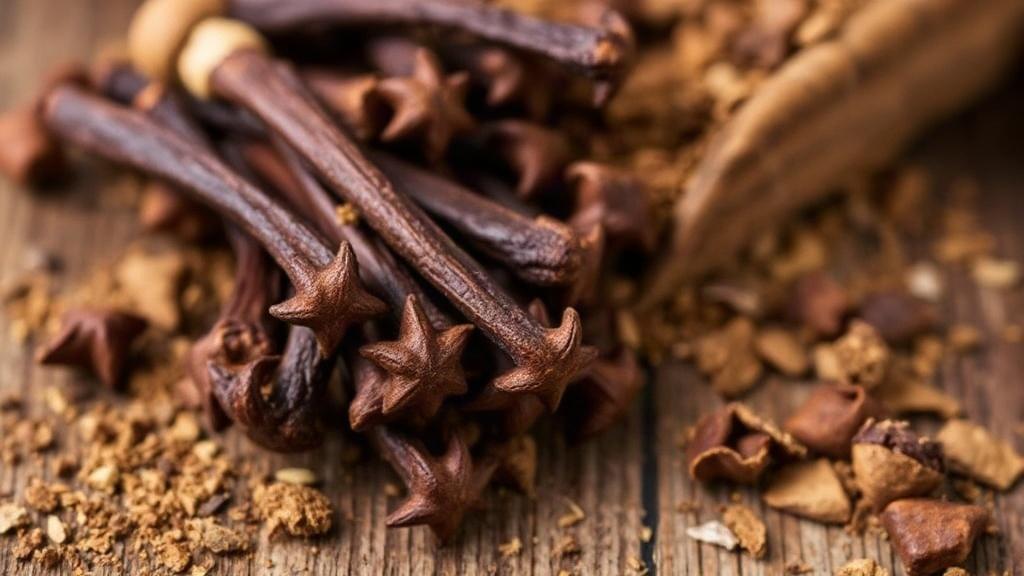
Cloves come from the dried flower buds of Syzygium aromaticum, and their bold scent comes from natural oils packed inside the bud. The main compound people talk about is eugenol, which has drawn attention in lab studies for its antioxidant and antimicrobial activity.
That is where many cloves benefits come from: they contain plant compounds that may help protect cells from oxidative stress. Still, much of the evidence is limited, and some of the strongest findings come from laboratory research rather than everyday human use.
A quick look at clove nutrition

When people mention clove nutrition, they are usually talking about a spice used in tiny amounts rather than a food eaten by the spoonful. That matters, because cloves are potent, and the nutrients add up more in theory than in a typical recipe.
Even so, cloves do provide small amounts of manganese and some other trace nutrients. More important in daily use are their aromatic compounds, which is why a pinch can change the character of a dish so quickly.
Possible wellness benefits from regular culinary use
Used in cooking, cloves may help make meals more satisfying without adding sugar or extra salt. A busy parent stirring cloves into oatmeal or a simmering sauce may find that a little spice goes a long way, especially in fall and winter dishes.
Some research suggests cloves may have antioxidant effects, which is one reason they remain popular in wellness conversations. The eugenol benefits people often mention are tied to those plant compounds, but that does not mean cloves should be treated as a treatment for any condition.
There is also interest in how cloves may support digestion after a meal, especially when used in warming drinks or spice blends. That said, personal comfort varies, and a spice that feels soothing to one person may be too intense for another.
Simple ways to use cloves
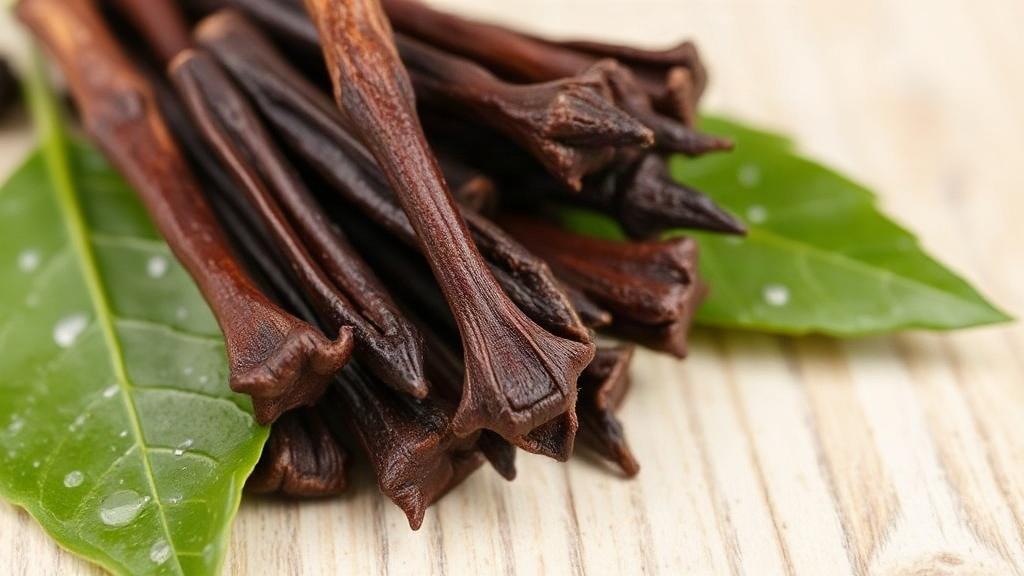
Cloves work best when they play a supporting role. You can add a few whole cloves to rice, broth, mulled fruit, or tea, or use ground cloves in baked goods and spice rubs.
If you are exploring clove water benefits, keep expectations realistic. Water infused with cloves may be a pleasant way to sip something warm and aromatic, but it is still just a flavored drink, not a cure-all.
- Add one or two whole cloves to hot tea for a deeper flavor.
- Use a small pinch of ground cloves in oatmeal or yogurt.
- Simmer cloves with citrus peel for a simple kitchen fragrance and beverage base.
- Mix them into stews, curries, or baked fruit for a warm, spicy note.
Because cloves are strong, a little is usually enough. If you overdo them, the flavor can take over a dish fast, which is why many cooks treat them like a finishing note rather than a main ingredient.
What clove oil can and cannot do
Clove oil gets a lot of attention because it is concentrated and strongly scented. People often associate it with eugenol benefits, but concentration cuts both ways: the same strength that makes it useful also makes it easy to misuse.
Clove oil safety matters more than most people realize. It should never be swallowed undiluted, and it should not be used on children without medical guidance. Even on adults, concentrated oil can irritate skin and tissues if it is not handled carefully.
Clove oil is also not a substitute for professional care. If you have tooth pain, swollen gums, or a mouth injury, see a dentist rather than trying to manage it with spice oil alone.
Who should be extra cautious

People who take blood thinners, diabetes medicines, or who have a bleeding disorder should talk to a doctor before using clove products regularly. The same goes for anyone who is pregnant or breastfeeding, since safety can depend on the amount and form used.
Large amounts of cloves can be harmful, especially when taken as supplements or concentrated extracts. More is not better here; with strong spices, the line between culinary use and overuse is surprisingly thin.
How cloves fit into an everyday routine
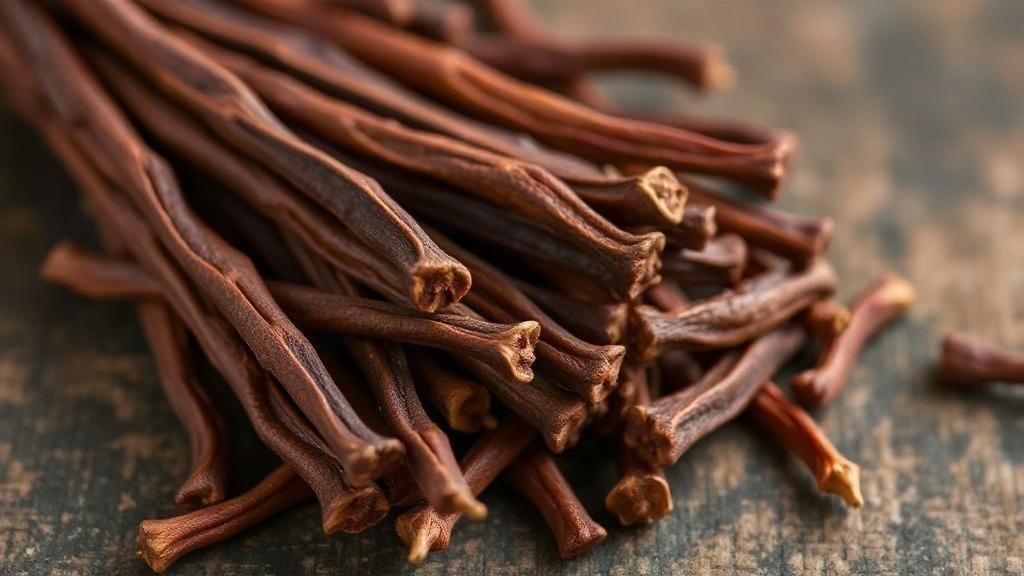
The best way to think about cloves is as a useful kitchen staple, not a health shortcut. They may help add flavor, reduce the need for excess sweeteners, and bring a little variety to meals that feel repetitive.
Someone working at a desk might enjoy clove tea in the afternoon, while someone cooking dinner for a family might use a few whole cloves in a pot of rice or soup. These are small habits, but that is where cloves make the most sense.
| Form | Common use | Main caution |
|---|---|---|
| Whole cloves | Tea, simmered drinks, cooking | Strong flavor; use sparingly |
| Ground cloves | Baking, spice blends | Easy to overuse in recipes |
| Clove oil | Concentrated topical use only when appropriate | Never swallow undiluted; keep away from children |
When used thoughtfully, cloves can be a practical part of a balanced kitchen. They are affordable, widely available, and easy to store, which helps explain why they have stayed popular for so long.
What the evidence really says
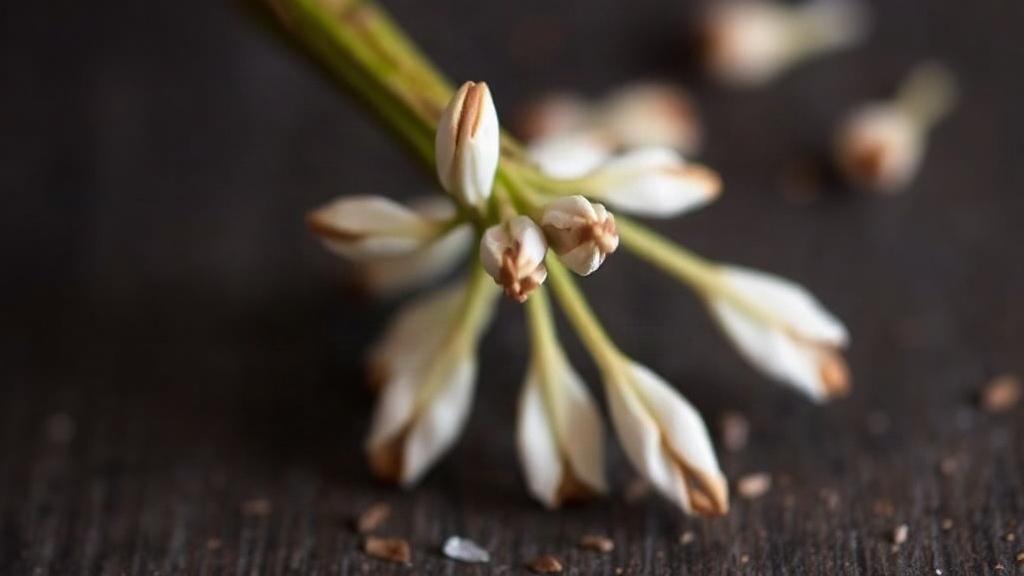
It helps to keep expectations steady. The health benefits of cloves are often discussed in wellness circles, but much of the supporting evidence is limited, and many findings come from lab studies rather than large human trials.
That does not make cloves uninteresting. It simply means they are best appreciated for what they are: a flavorful spice with promising compounds, not a replacement for balanced eating, dental care, medication, or medical advice.
If you want to explore cloves benefits, start with the kitchen. Culinary use is the most familiar and generally safest way to enjoy them, and it keeps the focus on flavor instead of impossible promises.
Practical safety tips before you use more cloves

Use cloves in small amounts first, especially if you are trying a new drink or recipe. Their taste is powerful, and their concentrated oils deserve respect.
If you are considering clove oil safety in a home setting, remember the basics: dilute it properly if a clinician recommends it, keep it out of children’s reach, and never ingest it undiluted. For mouth pain, see a dentist instead of relying on a spice cabinet remedy.
If you have an ongoing condition, take prescription medicines, or are pregnant or breastfeeding, ask a doctor before using cloves as a regular supplement or concentrated extract. That small pause is worth it, especially when the stakes involve blood clotting, blood sugar, or sensitive tissues.
Cloves can earn a place in your kitchen for their flavor, their aroma, and the modest wellness support they may offer in everyday use. Keep them simple, keep them small, and let the spice do what it does best. This is general wellness information and not medical advice.